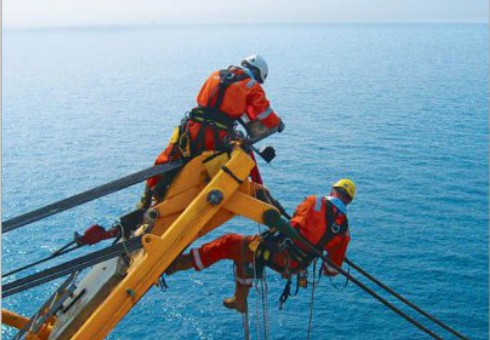
Understanding the technique
Provides controlled access to elevated or difficult-to-reach inspection locations using rope-based systems. Inspection personnel and access planning are coordinated around the required examination.
Where it adds value
Offshore structures, vessels, elevated piping and other remote or inaccessible locations.
The purpose is to provide evidence that supports a defined asset decision: prioritizing maintenance, investigating degradation, assessing serviceability or documenting equipment condition. The examination is planned around the asset's operating context and the information needed by the owner.
Inspection outputs
Inspection findings supported by access records and the selected NDT method.
Planning considerations
Work planning includes rescue arrangements, anchorage assessment, environmental conditions and coordination with site operations.
From scope to decision
Provide equipment identification, drawings, material details, operating conditions and previous inspection records where available.
Confirm the inspection objective, accessible locations, coverage, acceptance basis, site arrangements and reporting requirements.
Review recorded findings against the agreed scope, identify any coverage limitations and define the need for further inspection or engineering assessment.
Project questions
What information helps define a quotation?
Share the asset type, location, quantity, inspection objective and desired schedule. Drawings, previous reports and access information help the team prepare a realistic scope.
Can this technique be combined with other services?
Yes. Complementary examination or engineering assessment may be needed to characterize relevant findings. The combination depends on damage mechanisms, material, geometry and the decision required.